October 8, 2026
Biodegradable Phone Case Benefits and What to Look For
Updated on: 2026-10-08
Switching to a biodegradable phone case can reduce the environmental burden of everyday accessories. These cases are designed to break down under the right conditions while still protecting your device from scratches and minor impacts. The best options use plant-based or bio-based materials and avoid heavy layers of mixed plastics. With proper care and disposal, you can align daily phone protection with a more sustainable lifestyle. This guide explains what to look for, how to use the case responsibly, and how to choose a reputable product.
What a Biodegradable Phone Case Is
A biodegradable phone case is a protective cover formulated to degrade through biological processes over time. Unlike conventional cases that may persist for decades, these alternatives are engineered so that microorganisms can break down the material under suitable conditions. In practical terms, this means the case is intended to be less harmful at end of life and better aligned with circular habits.
It is important to distinguish biodegradable design from a vague “eco” label. A responsible biodegradable phone case should clarify what the material is made from, what conditions enable biodegradation, and how long degradation may take. When these details are absent, you should treat the claim as uncertain and prioritize products with transparent sourcing and testing standards.
Common material categories include bio-based polymers, cellulose-based composites, and other plant-derived blends. Some designs incorporate additives to improve strength, but the overall composition should remain compatible with biodegradation. If a case is heavily layered with conventional plastic components, degradation may slow or become incomplete.

Close-up icons of soil microbes and material breakdown
Product Spotlight
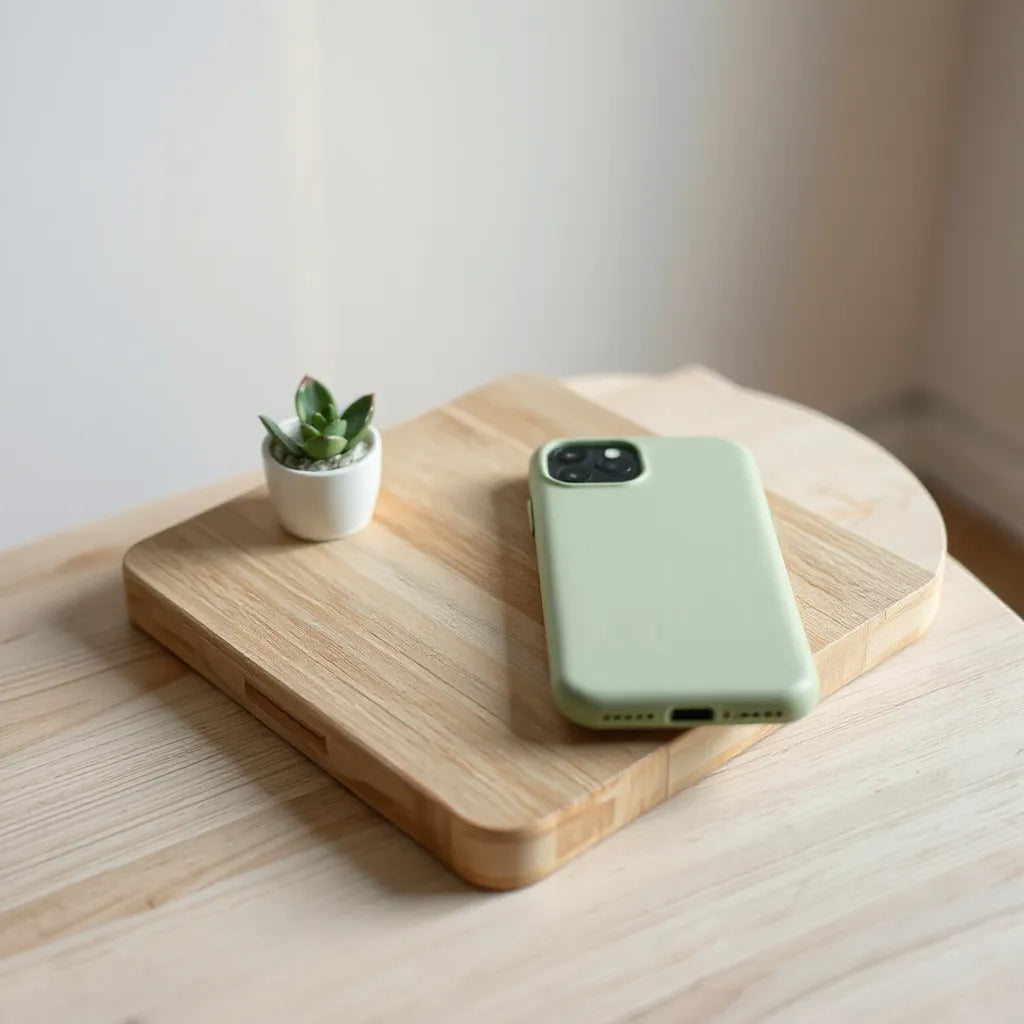
One practical example is the biodegradable phone case with a watercolor design. It demonstrates how sustainability and visual appeal can coexist in a daily-use item. For many shoppers, the most important criteria are consistent protection, a comfortable grip, and responsible material selection. A well-made case can reduce micro-scratches, cushion drops, and help keep your device looking cleaner between charges and commutes.
When evaluating this category, consider how the case fits your phone model, how it handles daily touch points, and whether the surface resists fingerprints and residue. Decorative designs are not automatically incompatible with sustainability. The key is the underlying formulation, including the base polymer, any bio-content percentage, and the presence of stabilizers that do not undermine biodegradation.
If you want a complementary routine for device maintenance, you can also explore screen cleaning wipes and a cloth kit. Keeping the screen clean can reduce the temptation to replace accessories prematurely due to visible wear.
How to Choose the Right Case
Choosing the right biodegradable phone case is less about marketing and more about measurable fit, material transparency, and lifecycle thinking. Use the criteria below to narrow your options quickly.
1) Confirm the biodegradation basis
Look for clear explanations of biodegradability conditions. The best products describe whether the material breaks down in industrial composting environments, in soil, or in another defined setting. Avoid items that claim biodegradation without clarifying the conditions.
2) Evaluate material composition
Prefer bio-based or plant-forward materials that form the structural body. If the listing suggests mixed material layers, check whether those layers are compatible with biodegradation. A case that relies on conventional plastics for durability may not meaningfully reduce end-of-life persistence.
3) Assess protection performance
Sustainability should not remove core functionality. Verify that the case provides raised edges around the screen and camera, offers reliable grip, and fits precisely so that corners are not exposed. Even biodegradable materials should withstand repeated handling.
4) Review compatibility and longevity
Many cases are built for a specific phone model. Choose one that aligns with your device’s button and port layout. For longevity, consider whether the surface coating may degrade quickly or discolor, which can lead to earlier replacement.
5) Align with your disposal options
Your disposal pathway determines impact. If you have access to industrial composting, that pathway may be more aligned with biodegradation claims. If not, you should still aim for responsible waste handling and avoid treating biodegradation as a reason to discard irresponsibly.
Step-by-Step How-To
Use the steps below to select and start using a biodegradable phone case with confidence. Each step is designed to support better material decisions and more consistent day-to-day results.
-
Identify your phone model and required fit. Check button and port alignments so the case seats correctly.
-
Verify material claims before purchase. Look for specific descriptions of the base materials and biodegradation conditions.
-
Inspect the protective design. Confirm raised edges around the screen and camera and check that corners are covered.
-
Install and test daily handling. Ensure the case does not interfere with charging cables, wireless accessories, or grip comfort.
-
Clean with non-abrasive methods. Use gentle wiping routines to preserve surface finish and reduce residue buildup.
-
Plan disposal when replacement is necessary. Determine the closest appropriate facility or local program that can handle biodegradable materials.
Personal Experience
I began switching to lower-impact accessories after noticing how many small items accumulated in my drawer over a few years. Cases are often replaced for cosmetic reasons, not because the phone itself fails. On one occasion, I kept a worn cover for far too long simply because it was “good enough,” even though the finish had degraded and dust collected around the edges. That experience made me focus on two priorities: protection that lasts and materials that align with responsible disposal.
When I tested a biodegradable option, I initially expected reduced durability. To my surprise, the fit felt secure, and the case continued to protect during everyday use. The most meaningful change was psychological: I treated my accessories as part of a larger lifecycle. I cleaned the phone more consistently, replaced the case only when it showed clear wear, and researched the best disposal pathway available in my area.

Checklist visual for care steps and disposal route mapping
Care and Disposal Practices
Proper care helps you get more value from a biodegradable phone case while keeping it functional and safe for your device. It also reduces the need for frequent replacement, which is critical for sustainability outcomes.
Cleaning that preserves both finish and function
Use a microfiber cloth and gentle cleaning solutions when needed. Avoid harsh solvents that can weaken bio-based surfaces or strip protective coatings. If the case has visible smudges, wipe gradually and let it dry fully before reinserting the phone into pockets or bags. A clean exterior can reduce micro-abrasion from grit.
Avoid heat and prolonged moisture exposure
Heat can accelerate the breakdown of many organic materials. Prolonged exposure to high temperatures or direct sunlight can also increase discoloration. Similarly, consistently wet storage may affect the texture and flexibility. Store your phone and case in a dry environment, especially during travel.
Use the case as intended to extend lifespan
A biodegradable design is still designed for daily protection. However, repeatedly dropping a phone on hard surfaces will shorten any case’s usable life. When possible, treat the case as part of a drop-management system and consider additional practices such as mindful handling and careful placement.
Disposal should match the biodegradation conditions
Biodegradation depends on environmental conditions. If the product is intended for industrial composting, it is generally better to use that pathway rather than regular trash or backyard composting. When you cannot find a compatible route, the most responsible approach is to follow local guidance for material handling and avoid treating biodegradation as guaranteed in all settings.
For many consumers, the best strategy is to reduce replacement cycles: choose the right case, maintain it, and keep your phone safe with consistent care. This reduces overall material throughput, regardless of the case composition.
Summary & Recommendations
A biodegradable phone case can provide reliable protection while reducing long-term persistence compared with conventional materials. The strongest benefits come from selecting products with transparent biodegradation conditions, well-defined material composition, and practical protective design. Use careful cleaning and avoid unnecessary heat to extend case life. Finally, dispose of the case through the appropriate pathway that matches the biodegradation claim.
Recommendation: choose a case that fits your phone precisely, supports daily use, and explains how biodegradation works. If you want to start with a single high-impact change, begin with the case and pair it with a consistent cleaning routine. For product options, review the available biodegradable case designs and select one that matches your style and device.
Complementary tip: maintain screen condition and reduce replacement pressure by using a screen cleaning kit.
Q&A Section
How can I tell whether a biodegradable phone case will actually break down?
Look for a clear statement about the environment required for biodegradation, such as industrial composting or soil conditions. Claims that do not describe conditions, timeframes, or material composition are usually less reliable. Verified descriptions and specific material sourcing are stronger signals than general sustainability language.
Will a biodegradable phone case protect my phone as well as a traditional case?
Many biodegradable designs can protect against scratches and minor drops when they include structured coverage and raised edges. However, protection depends on fit, thickness, and the quality of the material blend. Choose a case with precise phone model compatibility and evaluate protective features such as camera and screen rim height.
What is the most responsible way to dispose of a biodegradable phone case?
The best disposal method matches the biodegradation conditions stated by the manufacturer. If industrial composting is the intended pathway, use programs that accept those materials. If no compatible option exists, follow local waste guidance and avoid assuming that biodegradable means “safe in any environment.”
Do I need to change how I clean a biodegradable phone case?
Yes. Use gentle cleaning methods and avoid harsh solvents or abrasive scrubbing. Regular wiping with a soft cloth can help preserve surface integrity and reduce the need for early replacement due to visible wear.
Is it better to repair or replace a biodegradable case?
In most cases, replace only when structural protection declines, straps or edges loosen, or cracking compromises coverage. If the case remains intact and functional, continue using it and clean it consistently. Replacing too often can reduce the overall sustainability benefit.
About the Author
Snagva is a contributor focused on sustainable lifestyle guidance for everyday consumer products. Their expertise covers materials, practical care routines, and responsible buying decisions that support longer product lifecycles. The goal is to help shoppers choose solutions that feel good to use and make sense for end of life. Thank you for reading and considering a smarter approach to device protection.
Disclaimer: This article provides general educational information and does not replace product-specific instructions. Always review the manufacturer guidance for material handling, cleaning, and disposal requirements.
The content in this blog post is intended for general information purposes only. It should not be considered as professional, medical, or legal advice. For specific guidance related to your situation, please consult a qualified professional. The store does not assume responsibility for any decisions made based on this information.