September 15, 2026
Children’s Electric Vehicles: Safety Tips That Work
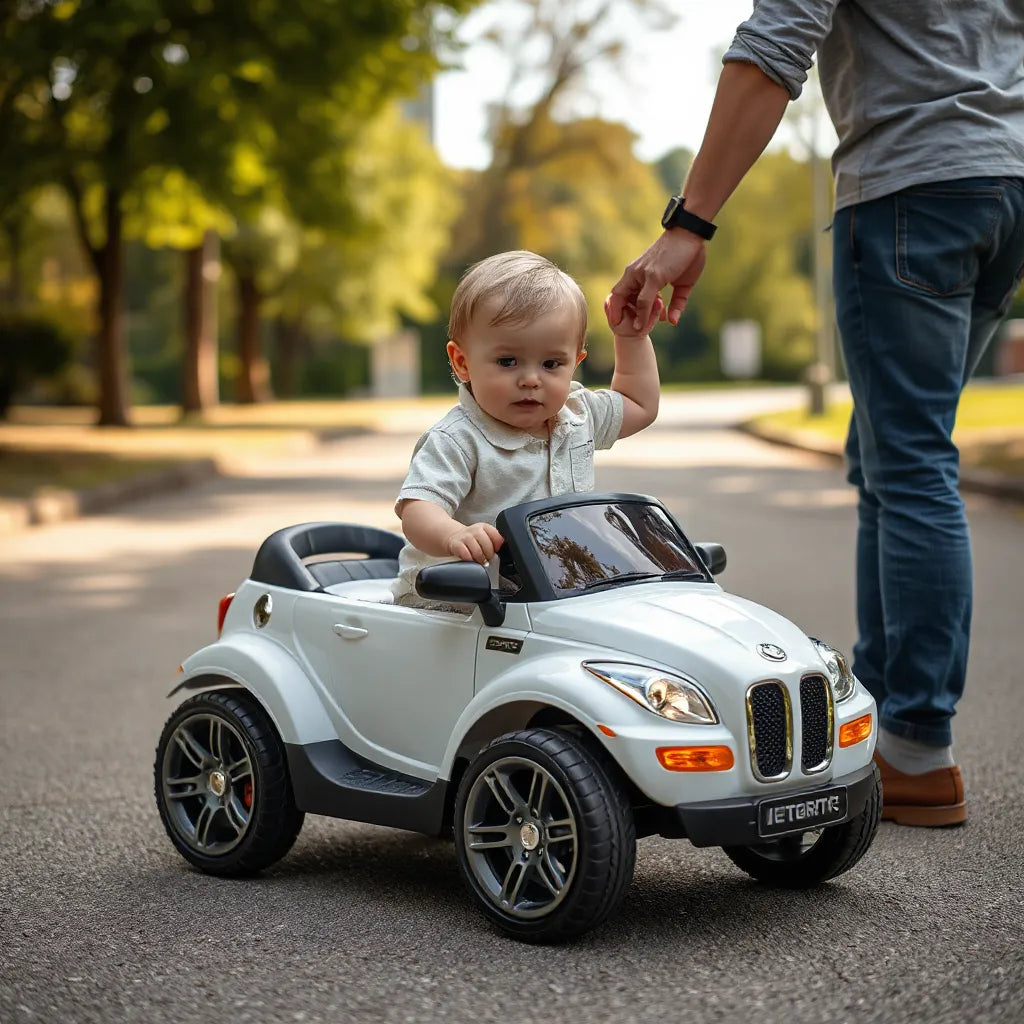
Updated on: 2026-09-15
Choosing children's electric vehicles can feel complex, because safety features, power, and build quality vary widely. This guide explains what to check before purchase so you can match the ride to your child's age, size, and environment. You will also learn how to evaluate battery capacity, speed control, remote options, and maintenance needs. Finally, you will find practical recommendations for first-time owners and a clear checklist you can reuse.
Table of Contents
Buyer's Checklist
Purchasing a powered ride for a child should start with practical fit and measurable safety. A good selection is not only about appearance. It is about how the vehicle performs on your typical surfaces, how it limits speed, and how reliably it can be stopped.
- Confirm sizing and weight capacity: Check the recommended age range and maximum load. Measure your child's height and sitting comfort if the seat is adjustable.
- Match the terrain: For grass or uneven paths, look for traction-focused tires and adequate ground clearance. For smoother driveways, you can prioritize steering stability.
- Inspect speed control: Prefer vehicles with multiple speed settings. Single-speed units are often less flexible as skills improve.
- Verify braking system: Choose models with reliable stopping behavior, such as electronic braking and secure wheel lock behavior.
- Evaluate battery and runtime honestly: Focus on capacity and charging time expectations. Real-world runtime depends on terrain, weight, and how frequently the child accelerates.
- Look for parental controls: Remote start or emergency stop can add an extra layer of supervision.
- Check charging safety: Use the supplied charger and follow storage best practices. Avoid charging in unattended or high-moisture areas.
- Examine build quality: Look for sturdy plastic, reinforced chassis elements, and secure fasteners.
- Plan for maintenance: Ensure parts are serviceable and that tires, wiring, and connectors are protected from frequent impacts.
When you compare options using this checklist, you reduce the risk of buying a vehicle that is uncomfortable, unsafe, or underpowered for your home environment.

Checklist icons over a shield for safety readiness
Step-by-Step Guide
Use this sequence to narrow choices efficiently. It supports first-time buyers and helps experienced shoppers avoid common mistakes.
- Define the use case: Decide where the vehicle will be used most often: driveway, backyard, sidewalk, or indoor play space.
- Set the fit requirements: Confirm age guidance and maximum weight rating. Evaluate seat width and whether the child can reach the controls comfortably.
- Choose the right power level: For beginners, start with gentle acceleration and limited top speed. Increase power only when driving control is consistent.
- Select tire and traction type: If you expect grass, gravel, or damp patches, favor tires that handle traction variation. For smooth surfaces, prioritize steering responsiveness.
- Check battery suitability: Review battery capacity, charging behavior, and whether the vehicle includes safe power management.
- Confirm control features: Look for speed modes, forward and reverse control, and any parental remote functions. Emergency-stop capability is especially important.
- Inspect safety components: Verify seat restraint design if present, wheel guards, and a dependable braking approach.
- Read warranty and support details: A clear warranty can indicate better manufacturing standards and service pathways.
- Plan the first-ride routine: Test on a flat, obstacle-free area. Start with the lowest speed setting and gradually increase only after stable handling.
By following these steps, you can select children's electric vehicles that are aligned with your child's skill level and the realities of your home environment.
Key Features to Compare
Many shoppers focus on design, but performance depends on a set of practical features. The following comparison points help you evaluate options objectively.
1) Motor strength and acceleration behavior
Motor output affects how quickly a vehicle reaches its top speed. For new riders, smoother acceleration is safer than abrupt power. If your child tends to press the accelerator fully, speed-limited modes are crucial.
2) Battery capacity and practical runtime
Battery capacity drives runtime. Runtime is also affected by how often the vehicle starts and stops, the rider's weight, and the difficulty of the terrain. If you want longer sessions, prioritize higher capacity and efficient power regulation.
3) Speed modes and learning progression
Multiple speed settings support gradual development. Start with the lowest setting for control and braking practice. When your child can steer steadily and stop reliably, you can move to higher levels.
4) Braking reliability and reverse control
Stopping behavior should be predictable. Reverse control should be limited or carefully managed for beginners, because backing up requires greater spatial awareness.
5) Parental remote and emergency stop
Remote control can be useful when supervision is active. Emergency stop reduces risk if unexpected obstacles appear. Even with remote functions, safe riding rules remain essential.
6) Suspension and comfort
Comfort affects how steady a child remains while steering. Suspension quality and tire design can reduce jolts on uneven surfaces, which improves control and reduces sudden steering corrections.
7) Construction and weather readiness
Even indoor toys can face minor spills or humidity. For outdoor use, consider whether the vehicle is protected from water intrusion and whether the electrical components are shielded from splashes.

Speed and battery meters with learning stages for safe progress
Safety and Daily Usage
Safety is not a single feature. It is a system that includes device behavior, rider habits, and home supervision. A reliable powered ride helps children practice coordination, but adults must still set boundaries.
Start with supervised sessions
During early practice, keep the riding area free of pets, small objects, steep slopes, and narrow corridors. Begin with a low-speed mode. Observe steering consistency, braking response, and whether the child can maintain a seated posture.
Use appropriate surfaces
For best control, choose flatter, dry areas. Damp surfaces can reduce traction and increase stopping distance. If you frequently drive over textured surfaces, test how the vehicle behaves at low speed first.
Maintain tire condition and undercarriage clarity
Inspect tires for wear and check that wheels rotate smoothly. Remove debris that could interfere with wheel movement. Keeping the undercarriage clear prevents sudden resistance that can affect steering.
Handle charging responsibly
Charge the battery according to the manufacturer's instructions. Store the battery and charger in a dry, ventilated area. Avoid overcharging cycles and do not charge unattended for extended periods.
Establish simple riding rules
Common rules that improve safety include staying within sight, riding one child at a time, and avoiding public roads or parking lots. Adults should also define where the vehicle can and cannot be used.
Teach basic control etiquette
Practice turning gradually, releasing the accelerator before stopping, and using reverse only when needed. A child should learn that rushing acceleration increases the difficulty of stopping smoothly.
If you want to support safe mobility habits for kids, consider pairing the vehicle with complementary accessories designed for everyday organization and clean surfaces. For example, storage or cleaning tools can help you maintain a tidy play environment. You can explore relevant accessories on Snagva to build a practical routine around your purchase.
In addition, some owners benefit from general-purpose charging and vehicle power management accessories when they invest in multiple electronics. However, always use compatible chargers and follow safety instructions to avoid battery damage.
FAQ
What age range is appropriate for children's electric vehicles?
Age guidance depends on the specific vehicle design and the child's ability to follow instructions. Many powered rides specify an age range and a maximum load. Treat those as baseline criteria, then confirm that your child can reach controls comfortably, sit securely, and respond reliably to stop and turn cues during supervised practice.
How do I choose the correct speed for a beginner?
Select a model with multiple speed modes and start on the lowest setting. Use short practice sessions to evaluate steering control, stopping consistency, and comfort while turning. Upgrade speed only after the child demonstrates predictable braking and smooth acceleration without sudden directional changes.
How long will the battery last on a typical day?
Runtime varies based on rider weight, terrain, and driving style. Frequent starts and turns reduce battery life. For more realistic expectations, compare the vehicle's battery capacity and consider your home environment. If you plan longer sessions outdoors, it is wise to keep charging routines organized so the battery can return to full capacity.
Are parental remote controls necessary?
Remote controls are helpful for supervision, especially for younger riders learning basic handling. They can support emergency stop behavior and reduce risk in crowded or obstacle-prone spaces. They are not a substitute for adult supervision. Safe boundaries should still be enforced every time the vehicle is used.
Closing Thoughts & CTA
Children's electric vehicles can provide structured fun, skill development, and memorable outdoor play when chosen thoughtfully. By using a clear buyer's checklist, comparing essential features, and practicing safe routines, you can select a powered ride that fits your child and your environment.
If you want to narrow options quickly, review battery suitability, speed control, traction, and braking behavior first. Then align your final choice with your child's size and skill level. For related shopping inspiration, visit a kids ride-on selection and compare options based on the criteria in this guide.
Disclaimer: This article provides general educational information and does not replace manufacturer guidance or professional safety advice. Always follow the manufacturer's instructions, supervise children during use, and ensure the vehicle is operated in safe, permitted areas.
About the Author
Snagva contributes expertise in consumer product guidance, e-commerce content strategy, and practical buying decision frameworks. The team focuses on feature comparison, responsible safety considerations, and customer-friendly explanations that support informed purchases. Thank you for reading; you are now equipped with a structured approach for choosing the right electric ride.
For ongoing resources and curated product guidance, continue exploring relevant categories on Snagva.
The content in this blog post is intended for general information purposes only. It should not be considered as professional, medical, or legal advice. For specific guidance related to your situation, please consult a qualified professional. The store does not assume responsibility for any decisions made based on this information.