October 3, 2026
Geometric Patterned Rug Styling Tips for Every Room
Updated on: 2026-10-03
A geometric patterned rug can bring structure, visual rhythm, and a strong design focal point to a room. The key is choosing the right scale, color balance, and pile type for everyday use. Proper placement and layering help the pattern look intentional rather than busy. With careful cleaning and smart rotation, this style of rug can stay crisp for years.
- 1. What Makes a Geometric Patterned Rug Work
- 2. How to Choose a Geometric Patterned Rug
- 3. Placement and Sizing for High-Impact Styling
- 4. Care and Maintenance for Lasting Pattern Clarity
- 5. Common Questions Answered
- 6. Summary and Next Steps
- 7. About the Author
1. What Makes a Geometric Patterned Rug Work
A geometric patterned rug is valued for its precision. Unlike abstract designs that can feel scattered, geometric motifs rely on repeatable shapes. That repetition creates order, which supports a room’s visual balance. When the pattern aligns with the architecture, it can make spaces feel calmer and more composed.
Geometric designs also perform well across decor styles. A rug with clean lines can support modern interiors. Softer, more traditional color palettes can complement classic rooms. Even in eclectic settings, geometric motifs can anchor multiple design elements by echoing angles found in furniture, lighting, and wall features.

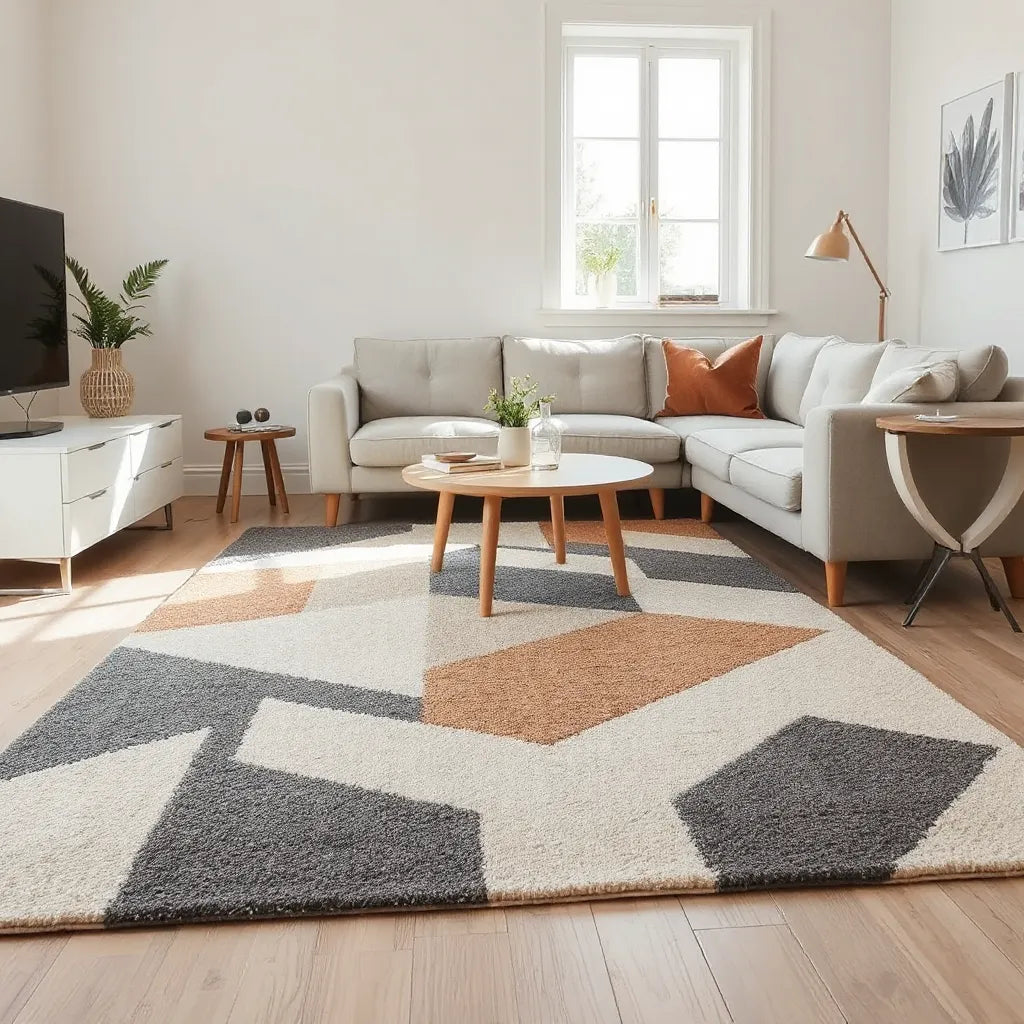
Interlocking shapes illustrate rhythm, scale, and balance
2. How to Choose a Geometric Patterned Rug
The most reliable method is to choose the rug based on how it will be used, not only how it looks online. Start by evaluating your room’s dominant features, then match the rug’s pattern scale and color range to those features. This approach improves harmony and reduces the chance of a rug overpowering the space.
Step 1: Match pattern scale to room size
Pattern scale determines visual weight. Large motifs can energize an open plan living room or create a dramatic statement in a hallway. Smaller, more dense patterns often suit bedrooms and compact areas because they read as texture and detail rather than bold lines. If you are unsure, choose a mid-scale pattern that will not compete with artwork or heavy furniture.
Step 2: Select a color strategy before you compare designs
Geometric patterns work best when they share at least one color thread with the room. Choose whether you want the rug to blend in or stand out. For blending, use a palette that appears in curtains, upholstery, or wall paint. For contrast, select a rug that introduces one clear accent color while keeping neutrals in control.
Step 3: Consider pile and texture for comfort and wear
Rug comfort is tied to pile height and fiber density. If the rug will sit in a lounge area with frequent walking, prioritize a construction that holds its shape. If the rug will be in a low-traffic display area, you can prioritize visual crispness. Texture also affects pattern clarity. A tighter weave often keeps geometric edges looking sharp.
Step 4: Decide on the pattern direction and repetition
Some geometric rugs use symmetrical layout, which creates stability. Others use diagonal or offset repetition, which adds motion. Symmetry suits formal arrangements. Diagonal repetition can soften an otherwise straight-lined room, especially when furniture includes rounded edges.
Step 5: Verify size relative to furniture layout
Do not treat rug size as an afterthought. Measure the usable floor area and test how much rug will sit under the front legs of sofas and chairs. The right sizing makes the pattern feel intentional and avoids awkward gaps.
When you are comparing options, consider exploring rug categories that align with your needs. For example, a kilim accent rug option may be suitable when you want a compact centerpiece with geometric energy. If your goal is a runner format, a vintage runner selection can help guide traffic flow while keeping pattern repetition consistent.
3. Placement and Sizing for High-Impact Styling
Placement is where a geometric patterned rug becomes a design tool. Correct alignment can make a room feel larger, more organized, and visually grounded. Incorrect alignment can make the pattern feel like it was added as an afterthought.
Living rooms: anchor seating with a clear boundary
Place the rug so it sits beneath the front legs of key seating pieces. This creates a unified zone for conversation. If you have a large sectional, a slightly oversized rug helps maintain continuity. When the rug ends abruptly, the pattern boundary can visually cut the seating area apart.
Bedrooms: balance the bed with a symmetrical read
For bedroom styling, center the rug under the bed so the pattern reads as intentional from the doorway. Choose a size that allows at least partial coverage on both sides. A geometric pattern benefits from symmetry, especially in spaces that need visual calm.
Hallways: use direction to improve flow
In narrow spaces, runners are often the most practical choice. Keep the motif aligned so it runs straight with the hallway axis. This prevents the pattern from appearing skewed or uneven, which can happen when rugs are placed at slight angles.
Layering: keep the pattern from fighting the room
Layering works best when you treat one rug as the primary anchor. Use a neutral or low-contrast top layer if the base rug already has strong geometry. Alternatively, pair a geometric rug with a solid-texture rug to create depth without adding extra visual noise.

Measured placement shows symmetry beneath seating and bed
4. Care and Maintenance for Lasting Pattern Clarity
Geometric patterns rely on crisp edges and consistent color distribution. That crisp look depends on routine care. Dirt and grit can dull contrast by settling into fibers. Proper cleaning helps preserve the pattern and also supports a healthier indoor environment.
Start with gentle daily habits
- Use a vacuum with a brush attachment to reduce surface dust.
- Avoid aggressive scraping that can disturb fibers or loosen weave structure.
- Rotate the rug periodically to promote even wear across symmetrical motifs.
Manage spills quickly and safely
- Blot the spill immediately with a clean, absorbent cloth.
- Work from the outer edge toward the center to prevent spreading.
- Allow the area to dry fully before normal foot traffic resumes.
For stubborn stains, it is generally best to use cleaning methods designed for rugs and follow product care instructions provided by the seller or manufacturer.
Deep cleaning: keep it structured
For periodic deep cleaning, consider professional cleaning for rugs that require specialized handling. If you choose at-home cleaning, test a small area first to confirm colorfastness. Use lukewarm water and mild soap only if care guidance permits. Excess moisture can lead to uneven drying and can affect pattern appearance.
Prevent fading and distortion
Direct sunlight can fade high-contrast designs over time. Use curtains or window films to reduce exposure. Also ensure the rug is laid flat and not under tension from furniture that can warp edges.
How to protect edges and corners
Edges are often the first area to show wear. A rug pad can improve cushioning, reduce slipping, and lessen friction at corners. When a pad is correctly sized, it also helps the rug maintain shape, which supports consistent geometric alignment.
If you want practical support for maintaining floor surfaces, you may also review related care accessories on the store. For example, a cloth kit can be useful for general wipe-down tasks around the home when used appropriately for safe surfaces. Keep in mind that rug-specific cleaning tools are always preferable for stain treatment.
5. Common Questions Answered
How do I prevent a geometric patterned rug from looking too busy?
Choose a color palette that repeats in at least two other elements in the room, such as pillows, curtains, or wall tones. Also consider pattern scale: smaller motifs usually feel calmer, while large motifs add energy. If the room already has multiple strong patterns, select a geometric rug with a more restrained number of colors.
What size geometric rug should I use for a living room?
For a typical living room setup, aim for a rug large enough that the front legs of the sofa and chairs sit on the rug. This creates a single seating zone. If your sectional is long, choosing an oversized option generally improves balance and reduces the appearance of disconnected furniture groupings.
Are geometric rugs suitable for high-traffic areas?
They can be suitable when the rug’s construction is durable and when you maintain a routine cleaning schedule. Vacuuming regularly and rotating the rug helps preserve both texture and pattern contrast. If the area experiences frequent spills, prioritize designs that can tolerate careful blotting and drying.
How often should I clean a geometric patterned rug?
Routine vacuuming is recommended based on foot traffic, often on a weekly schedule for everyday living rooms. Deep cleaning can be done less frequently, guided by visible buildup and care instructions. When spills occur, treat them immediately to prevent staining from setting.
6. Summary and Next Steps
A geometric patterned rug can deliver strong design structure through repeatable shapes, intentional color balance, and visually grounded placement. Select the right pattern scale and palette, then size it correctly for the furniture layout. With consistent vacuuming, quick spill response, and periodic deep cleaning, the rug can maintain crisp geometric clarity over time.
Next, measure your space and choose a design that matches your room’s existing colors. If you are shopping, start with a runner for hallways or an accent size for small rooms, then move to larger formats once you confirm placement. When you are ready, consider a rug pad to protect edges and improve stability.
If you want additional styling ideas and product selection support, explore curated options at Snagva.
7. About the Author
Snagva is a home and lifestyle expert focused on interior styling, rug selection, and practical care guidance for textured floor coverings. With experience supporting shoppers in choosing designs that match daily use, Snagva emphasizes balanced aesthetics and maintenance-first decision-making. The aim is simple: help you create spaces that look intentional and feel comfortable. Thank you for reading and for taking a thoughtful approach to your interior design choices.
The content in this blog post is intended for general information purposes only. It should not be considered as professional, medical, or legal advice. For specific guidance related to your situation, please consult a qualified professional. The store does not assume responsibility for any decisions made based on this information.