September 7, 2026
Home Decor Textiles: Easy Styling for Every Room
Updated on: 2026-09-07
Home decor textiles shape comfort, color balance, and everyday functionality across a room. The right fabrics can soften hard surfaces, support visual rhythm, and improve how light moves through your space. This guide explains how to choose textile types for each area, select patterns and palettes with intention, and maintain fabrics so they look refined. You will also find practical myth checks, quick answers, and clear recommendations for building a cohesive look.
Product Spotlight | Myths vs. Facts | Frequently Asked Questions | Final Recommendations | Q&A | About the Author
Product Spotlight
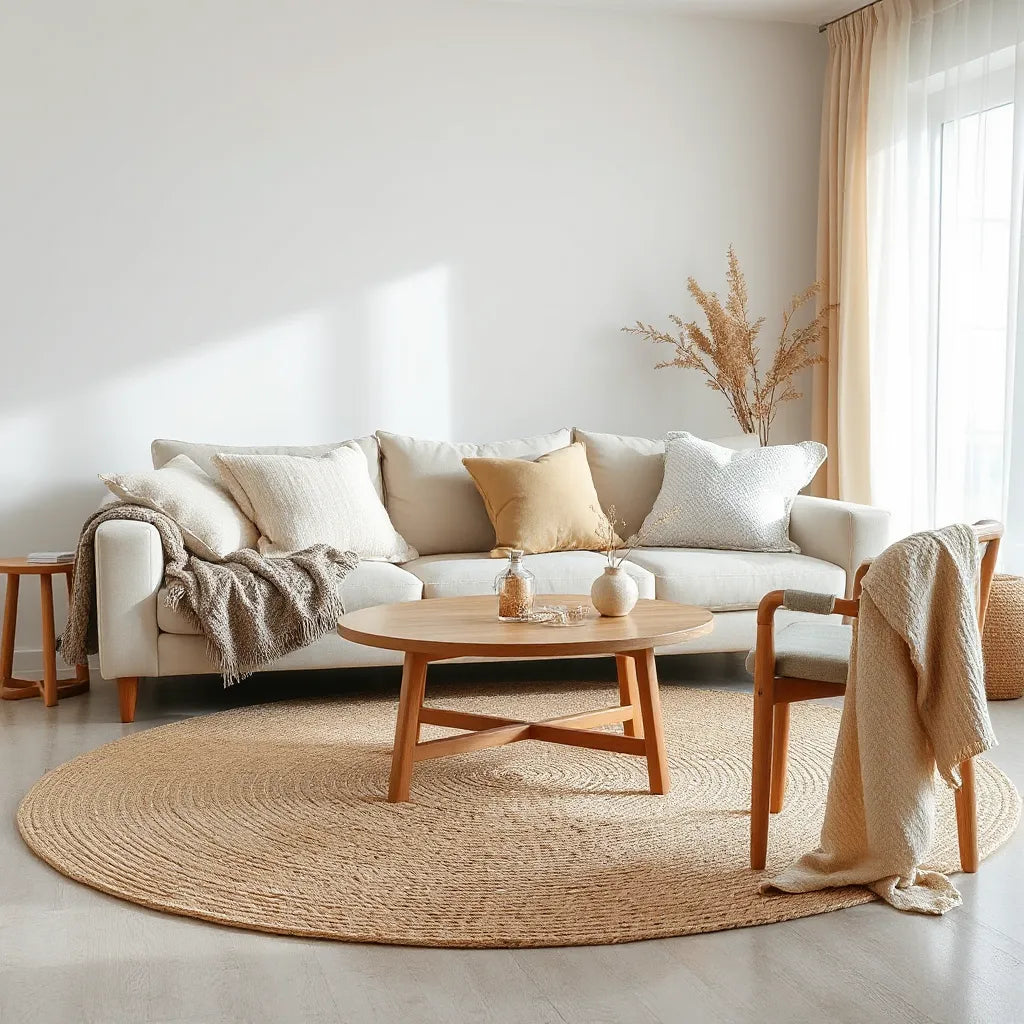
When shoppers search for home decor textiles, they usually want three outcomes: a stronger aesthetic, better comfort, and easy upkeep. Textile categories that deliver these results include area rugs, lumbar pillow covers, and layered fabric accessories such as throws and curtains. Rugs establish the foundation of the room by defining zones, grounding furniture, and adding texture. Pillow covers offer a fast refresh because they change the look without altering the sofa or bed. Together, these textile layers create depth, reduce visual noise, and help the entire space feel intentional.
For a practical starting point, consider the value of coordinating textiles by tone rather than by identical design. If you prefer a warm, grounded feel, focus on earthy hues and mid-weight textures. If you prefer a clean and bright room, choose lighter neutrals with smooth weaves and minimal pattern density. This approach supports cohesion even when the patterns differ.

Textiles layered for texture, warmth, and visual balance
If you want inspiration from curated artisan-inspired designs, explore rug options on vintage accent rugs. For a statement under dining chairs or in a hallway, the underfoot impact of a well-chosen runner can be significant, especially when the rug pattern echoes other textile elements like cushion accents. You can also match the room with complementary seating accents by adding coordinated covers through matched lumbar pillow covers. These are small changes that tend to produce immediate styling clarity.
Myths vs. Facts
Many myths circulate about home decor textiles. They often lead to overbuying or to the wrong fabric choice for the space. Below are the most common misunderstandings and what tends to be true in real, lived-in interiors.
Myth 1: Pattern should match exactly across all textiles
Fact: Pattern alignment is optional. A more reliable method is to match by undertone (warm or cool) and by scale. For example, a medium-scale pattern can coexist with a small-scale motif if they share a color family. This keeps the room balanced and prevents visual clutter.
Myth 2: Natural fibers always perform better
Fact: Natural fibers often feel premium, but performance depends on the fabric structure and the specific use case. Some weaves resist wear better than others. Blends can also bring benefits such as easier care or improved durability. Always consider the room’s traffic level and sunlight exposure before selecting a fiber type.
Myth 3: Textiles are only decorative
Fact: Textiles contribute to acoustics, comfort, and light control. Curtains reduce glare and soften sound, while rugs help dampen echoes. Even small additions such as cushion covers can make seating more supportive and comfortable.
Myth 4: More layers automatically look better
Fact: Layering works when each piece has a job. Use one layer for structure (such as a rug), one for comfort (such as cushions or a throw), and one for tone (such as coordinated curtain or accent colors). When every item competes for attention, the room becomes visually busy.
Frequently Asked Questions
How do I choose the right home decor textiles for a small room?
Use lighter colors or balanced neutrals to avoid visual heaviness. Select rugs that fit the space so furniture legs rest on the textile where possible. Keep pattern contrast moderate, and choose at least one texture that looks smooth from a distance, such as a tighter weave or a calmer curtain panel.
What is the safest color strategy for mixing textiles?
Start with a dominant neutral, then add one accent color family. If you include patterns, repeat one color from the pattern in a solid textile elsewhere. This creates a link between pieces and reduces the chance that the room feels mismatched.
How often should I refresh pillow covers and throws?
Seasonal changes work well, but an even better rhythm is refresh when the overall palette no longer feels cohesive. Rotate covers for quick style updates, and replace worn textiles when pilling, fading, or thinning becomes visible.
What is the best way to protect textiles from fading?
Limit direct sunlight exposure by using curtains, blinds, or sheer layers. Regularly rotate items that sit in intense light. For rugs and upholstery, consider protective treatments only after checking manufacturer guidance.
Final Recommendations
Choosing home decor textiles becomes simpler when you follow a sequence. First, define the room function. A living room needs comfort and acoustic softness. A bedroom needs calm, warmth, and consistent color. A hallway needs durable materials and visual guidance. Next, select one anchor textile, usually an area rug or a primary curtain concept. Then add supportive pieces such as cushion covers, throws, and smaller accents.
Use scale as your main design tool. Large patterns dominate a room, so pair them with simpler textiles. Small patterns can work together, but they should share color undertones. If you prefer a structured look, keep your palette under three to four repeating colors, then vary texture through weave and thickness.
Finally, treat maintenance as part of design. Textiles remain beautiful longer when cleaning habits match the material. Vacuum rugs regularly and address spills quickly. For cushion covers, follow washing instructions precisely. When you care for textiles consistently, you gain a stable look year after year.

Color palette with swatches and fabric texture indicators
If you want an easy way to build a layered foundation, consider curated rugs that already align with classic interior tones. For instance, an underfoot statement like a rug runner can define a transitional space and improve flow. You can find inspiring runner options at vintage Turkish kilim runner, which can act as a visual bridge between rooms when the color story is repeated in cushions or curtains. If you want a more modern, warm accent, a curated artisan-inspired rug can elevate a neutral sofa without requiring a full redesign.
Q&A Section
What are the best textile materials for everyday living rooms?
Prioritize fabrics that balance comfort with practical care. Look for rugs with tight construction and upholstery-friendly weaves. For cushions, choose covers that can be cleaned according to the care label and that resist snagging in high-traffic seating zones.
How can I make my room look more cohesive with textiles?
Choose a repeating undertone across the room: warm, cool, or neutral. Then repeat one or two colors in different textures. For example, a patterned rug can be connected to solid cushions by carrying a single color from the rug palette into the cushion scheme.
How do I layer rugs and cushions without making the room busy?
Use a simple rule: one main pattern, one supporting texture, and the rest in solids or calmer motifs. Keep the rug as the primary visual anchor, then let cushion covers add comfort and a secondary color rhythm rather than another dominant print.
Are there styling guidelines for choosing curtain fabric with rugs?
Yes. Match curtain weight and visual texture with the rug’s feel. If the rug is tightly woven and visually structured, choose curtains with a similar level of body. If the rug is softer and more organic in texture, curtains with gentle drape can enhance the contrast without overwhelming the palette.
About the Author
Snagva contributes expertise in interior styling and textile-focused home improvement, with a focus on practical guidance that supports long-term comfort. The author’s approach emphasizes design cohesion through color strategy, texture balance, and maintenance-aware choices. Readers can apply these methods immediately to create spaces that look refined and feel welcoming. Thank you for reading and investing in thoughtful home decor decisions.
The content in this blog post is intended for general information purposes only. It should not be considered as professional, medical, or legal advice. For specific guidance related to your situation, please consult a qualified professional. The store does not assume responsibility for any decisions made based on this information.