September 18, 2026
Pet Supplies Checklist for a Smooth, Happy Home
Updated on: 2026-09-18
Choosing the right pet supplies is not only a matter of comfort. It also affects health, behavior, and the safety of everyday routines. This guide explains what to evaluate before buying and how to build a reliable starter kit. You will also find practical setup steps and common mistakes to avoid. Use the takeaways to reduce waste and improve your pet’s day-to-day experience.
- 1. Pet Supplies Foundations
- 2. Myths vs. Facts
- 3. Choosing Pet Supplies by Lifecycle
- 4. Setup and Trial Method
- 5. Personal Experience
- 6. Final Thoughts and Takeaways
1. Pet Supplies Foundations
Pet supplies are the everyday tools that support feeding, hygiene, enrichment, and safe handling. When you select these items with intent, you typically see fewer routine problems and smoother transitions during growth, travel, and training. When you select them impulsively, you often end up with mismatched sizes, low durability, and unnecessary clutter.
Start with a simple framework: quality, fit, and function. Quality refers to materials and construction. Fit refers to size, weight, and suitability for the species and age. Function refers to how the item helps with a specific routine, such as meal preparation, cleaning, or mental stimulation.
It helps to separate purchases into categories. A practical set usually includes:
- Feeding basics (bowls, safe storage, and portion control support)
- Hygiene essentials (brushes or grooming tools, waste management, and cleaning cloths)
- Comfort items (sleep surfaces, washable bedding covers, and heat regulation support as needed)
- Enrichment (chews, puzzle-style activities, and structured play)
- Safety and handling (leashes, carriers, or secure containment for travel)
- Administration support (medication planning tools and tracking sheets, when relevant)
Once categories are clear, you can shop with less guesswork. That approach also reduces returns and improves consistency in your pet’s routine.

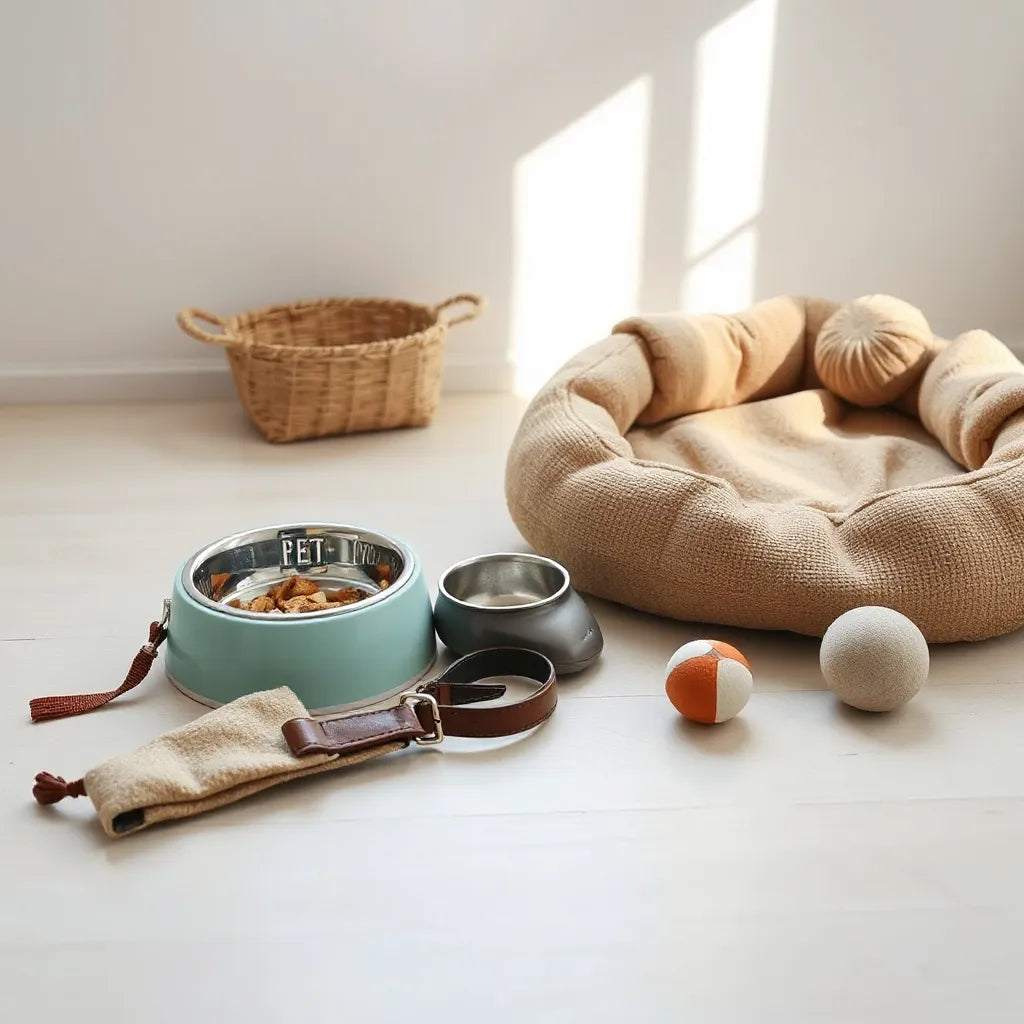
Checklist visuals for feeding, hygiene, comfort, enrichment
2. Myths vs. Facts
Many buying decisions are shaped by myths that sound reasonable at first. The following corrections focus on realistic outcomes and responsible care.
-
Myth: Any chew or toy is safe if it is labeled “for pets.”
Fact: Safety depends on size, material, and supervision level. A toy can be brand-appropriate yet still be unsuitable for your pet’s chewing style. -
Myth: More items mean better care.
Fact: A small set of well-chosen tools often performs better than a large collection. Consistency matters more than volume. -
Myth: Grooming is only for long-haired pets.
Fact: Short-haired pets still benefit from basic grooming to manage loose hair and reduce skin irritation caused by debris and oils. -
Myth: The first bedding choice always works.
Fact: Pets have preferences. You can improve comfort by adjusting texture, support level, and washability. -
Myth: Cleaning requires harsh chemicals.
Fact: Many routine messes can be handled with safer cleaners and proper dilution. Skin sensitivity should guide product selection.
These points are also a reminder that pet supplies should be evaluated against your pet’s behavior and environment. A product that fits one home can fail in another due to floor type, household noise level, or household size.
3. Choosing Pet Supplies by Lifecycle
Lifecycle planning is one of the most effective ways to avoid waste. A growing puppy or kitten often needs different sizing and training support than an adult pet. Senior pets may require items that reduce strain and improve ease of access.
For puppies and kittens: prioritize fit and habit building
In early stages, the main priority is safe routines. Many common issues come from inappropriate sizes or inconsistent handling. Choose supplies that support structured feeding and predictable cleaning. For enrichment, select age-appropriate options that encourage safe exploration without overwhelming your pet.
Also consider how your pet learns boundaries. Soft training tools and secure containment can reduce stress when you need to interrupt risky behaviors. If you are planning travel, a secure carrier system is often more helpful than improvised seat solutions.
For adult pets: optimize durability and routine efficiency
Adult pets typically show stable chewing and play patterns. This is the time to invest in durable materials that can handle regular use and frequent cleaning. Look for items that maintain their shape after washing, resist odor retention, and remain stable during vigorous play.
Efficiency matters. The best pet supplies for adult routines reduce friction. For example, having a consistent cleaning cloth system and a predictable waste management routine helps you maintain hygiene without interrupting daily schedules.
For senior pets: prioritize access, comfort, and reduced effort
Older pets may have stiffness, slower recovery, or changes in sensory perception. Your supplies should lower physical strain. Many owners find that supportive comfort surfaces and easy-to-clean hygiene tools improve everyday routines. You may also need to adjust how you offer enrichment, choosing calmer activities that still provide engagement.
When in doubt, evaluate the real-world friction. If your pet struggles to reach a water station, the item is not serving its purpose. Adjust the environment first, then refine the supplies.
Where internal accessories help: a household systems approach
Even though pet supplies focus on the pet, household organization affects maintenance quality. If cleaning tools and storage are not convenient, hygiene breaks down. When the home is messy, pets often respond with stress behaviors, such as increased chewing or sudden restlessness.
For example, screen-safe cleaning solutions can help you maintain a tidy environment if you regularly manage pet-related touchpoints. If your household includes accessories that collect residue, a proper cleaning kit can support a cleaner routine.
For pet households that also maintain electronics and household surfaces, consider quality cleaning support such as screen cleaning wipes. While it is not a pet hygiene item, it can help you keep shared spaces clean and comfortable.

Lifecycle chart with symbols for growing, steady, senior
4. Setup and Trial Method
The most common reason purchases fail is not the product itself. It is the setup. A methodical trial reduces the probability of repeated mistakes and improves confidence in your inventory.
Step 1: Map your daily routine
List the moments that matter most: feeding, bathroom routines, play windows, and sleeping. Then identify friction points. For example, if your pet eats quickly and then searches for more, you need a more controlled portion routine. If your pet avoids a resting area, you may need different bedding texture or placement.
Step 2: Choose one change at a time
When you introduce multiple new pet supplies at once, it becomes difficult to identify what caused improvement or stress. Introduce one item, observe, then adjust. This is particularly important for bedding, enrichment, and handling tools that affect comfort and safety.
Step 3: Use short observation windows
Instead of waiting for days, evaluate the first interactions. Watch for normal interest, calm exploration, and consistent use during the relevant routine. Watch for avoidance, signs of discomfort, or repeated refusal. If your pet shows persistent rejection, you should pause and redesign the setup.
Step 4: Keep hygiene maintenance realistic
Hygiene is a recurring requirement. Your supplies should match the cleaning time you can actually sustain. If you select an item that requires deep cleaning every day but you only have time twice a week, it will likely become a low-use item. That can increase odor, residue, and skin irritation risk.
Step 5: Stress-test during transitions
Transitions reveal weaknesses. Test your setup during a change in routine, such as visitors, a schedule shift, or a simple home activity. If your pet becomes restless or distressed, revisit the items that support comfort and security. A stable environment is often more valuable than additional purchases.
Step 6: Document what works
Simple notes help refine future purchases. Record what your pet used, how long it lasted, how your pet responded, and what you had to clean. Over time, this produces a practical “house standard” list that guides future buying decisions.
How to select enrichment without overcomplication
Enrichment should feel like a routine, not an experiment. A good approach is to vary stimulation types: scent work, controlled chew time, and puzzle-like problem solving. The goal is to prevent boredom while supporting safe behavior.
When you introduce enrichment, supervision matters. Some pets require a slow ramp-up. If you notice frantic pacing or aggressive chewing, reduce difficulty, shorten sessions, and reassess material suitability. A calm, predictable structure usually works better than chaotic, last-minute stimulation.
5. Personal Experience
In my experience, the first pet supplies order often looks efficient on paper but feels imperfect after a real-life week. The lesson is not to avoid shopping. The lesson is to design purchases around routines rather than product features alone.
One early mistake was treating bedding and cleaning as separate concerns. I purchased a comfort item that looked appealing, but it was not easy to wash frequently. After a few days, I noticed residue buildup and a change in how my pet approached the resting area. The solution was not simply replacing the item. I adjusted the workflow by prioritizing washable comfort and simplifying the cleaning steps so the routine could be maintained consistently.
I also learned that enrichment works best when it is predictable. A sudden burst of new toys created distraction rather than calm engagement. A slower approach worked better: one enrichment change at a time, short observation windows, and consistent placement. Over time, the pet began to use the enrichment item during natural downtime, which reduced restlessness during evenings.
These outcomes reinforced a principle: well-chosen pet supplies are the ones that support consistency. When your pet can rely on stable routines, behavior improves and maintenance becomes manageable.
6. Final Thoughts and Takeaways
Pet supplies influence more than comfort. They shape hygiene quality, safety during daily transitions, and the stability of your pet’s routine. The fastest way to improve outcomes is to plan by lifecycle, evaluate quality and fit, and apply a trial method that reduces uncertainty.
Use these takeaways as a buying checklist:
- Prioritize categories that directly support feeding, hygiene, comfort, enrichment, and safety.
- Select items that match your pet’s size, chewing style, and tolerance level.
- Introduce one change at a time and observe how the pet responds during routine moments.
- Choose cleaning-friendly supplies that you can maintain consistently.
- Document what works so future purchases are faster and more accurate.
If you want a practical shopping approach, consider building inventory in small phases: start with the essentials, then add enrichment and comfort upgrades after you confirm the routine is stable.
Q: How do I know which pet supplies are truly essential?
A: Start with feeding and hygiene needs, then add comfort and safety items that support your daily routines. Any enrichment tool should serve a specific purpose, such as reducing idle time or supporting chewing behavior. If an item does not improve a routine or remove friction, treat it as optional.
Q: What should I check first before buying new pet supplies?
A: Verify size and compatibility with your pet’s age and behavior. Next, evaluate cleaning requirements and material durability. Finally, confirm safety through how the item should be used, including supervision requirements and whether the setup can be maintained consistently in your home.
Q: How can I reduce waste when shopping for pet supplies?
A: Use lifecycle-based decisions and introduce one item at a time. Keep a short log of what you purchased, how it was used, and what you had to clean. Over time, this creates a reliable internal standard that prevents repeated mistakes and unnecessary duplicates.
Q: Should I replace pet supplies frequently?
A: Replace items based on performance and condition, not on fixed schedules. Replace anything that no longer supports safe use, proper hygiene, or consistent comfort. Items that hold odors, degrade in structure, or become difficult to clean should be retired earlier.
About the Author
Snagva is a commerce and content specialist focused on pet lifestyle organization, practical shopping strategy, and responsible home maintenance. With experience in customer education and retail best practices, Snagva helps owners choose pet supplies that are easier to maintain and better aligned with daily routines. The guiding aim is clarity, consistency, and confidence in every purchase. Thank you for reading, and may your home become a calmer place for both you and your pet.
Disclaimer: This article provides general information for educational purposes and does not replace professional veterinary advice. Always evaluate products based on your pet’s individual needs, behavior, and safety requirements. If you have concerns about health or behavior, consult a qualified professional.
The content in this blog post is intended for general information purposes only. It should not be considered as professional, medical, or legal advice. For specific guidance related to your situation, please consult a qualified professional. The store does not assume responsibility for any decisions made based on this information.