October 9, 2026
Waterdrop Refrigerator Water Filter: Buying Guide
Updated on: 2026-10-09
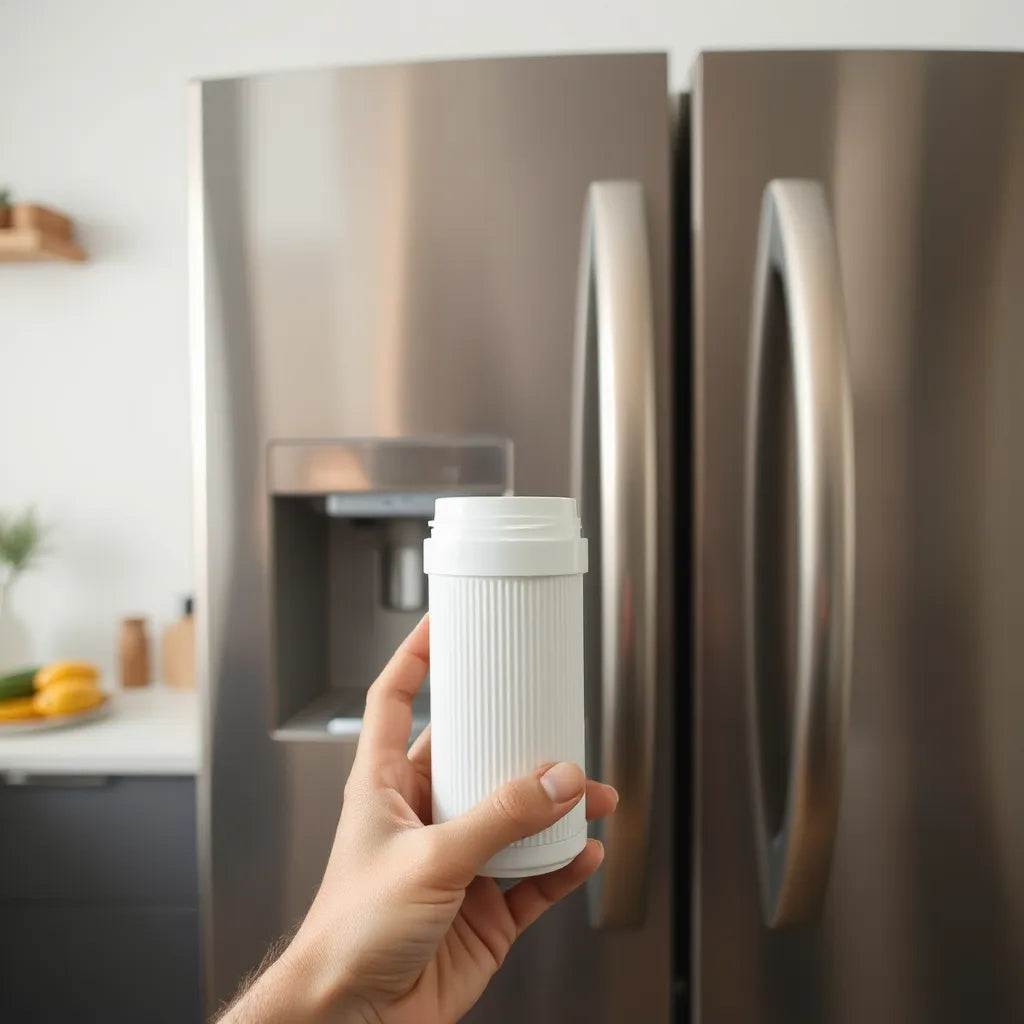
A well-designed refrigerator water filter supports cleaner-tasting water and helps reduce common particles that can affect flow. When you install a waterdrop refrigerator water filter, you gain a practical way to maintain consistent performance over time. The right filter can also support better maintenance habits, including scheduled replacements and basic system checks. This guide explains how these filters work, how to evaluate fit and quality, and what care steps extend service life.
Table of Contents
- What a Waterdrop Refrigerator Water Filter Does
- A Practical Experience With Filter Maintenance
- Key Advantages of a Quality Refrigerator Water Filter
- Quick Tips for Better Performance
- How to Choose the Right Replacement
- Installation and First-Run Checks
- Maintenance Schedule and Replacement Timing
- Summary & Next Steps
- Q&A Section
- About the Author
What a Waterdrop Refrigerator Water Filter Does
A waterdrop refrigerator water filter is designed to improve the water that enters a refrigerator’s dispenser and, in many systems, the ice-making function. In practical terms, it acts as a controlled barrier that captures sediments and reduces certain contaminants before water reaches your glass. The goal is not to “change” water into something completely different. Instead, the filter focuses on removing particles and improving clarity, taste, and flow consistency.
Refrigerator filtration systems usually depend on a housing that guides water through filter media. The media may include activated carbon for taste and odor reduction and a structured layer for particle capture. When you replace the filter at the right time, the pressure drop typically stays within a stable range, and the dispenser performance remains predictable.
It is also important to understand that filtration is part of a broader system. A filter cannot correct every upstream issue, such as inconsistent plumbing, irregular water pressure, or a contaminated water line that has been left stagnant for long periods. For that reason, the best results come from pairing the correct water filter with basic care practices.
A Practical Experience With Filter Maintenance
In an earlier household setup, the dispenser started producing water that looked slightly cloudy. The initial response was to adjust usage habits, but the real improvement came after the replacement cycle was treated as a maintenance task rather than an emergency fix. Once the filter was changed, the water cleared quickly and the flow felt more even. The system also became easier to monitor because the dispenser behavior returned to a baseline pattern that felt “normal.”
That experience clarified a key point: refrigerator performance is sensitive to small differences in internal resistance. A clogged filter can slow water delivery, and slow delivery can lead to longer waits, partial ice cycles, and a general sense that the system is “aging.” Staying consistent with replacements helps avoid that slow drift.

Filter media diagram, flow arrows, and sediment particles
Key Advantages of a Quality Refrigerator Water Filter
- More consistent dispenser output: Stable filtration helps maintain flow rate and reduces the likelihood of uneven water delivery.
- Improved taste and odor: Carbon-based media can reduce taste and odor compounds that create an unpleasant drinking experience.
- Reduced sediment and particulates: Capturing particles can improve clarity and limit residue buildup in downstream components.
- Better overall system hygiene: Fresh media reduces the chance that trapped contaminants remain active in the filtration path.
- Predictable maintenance: A clear replacement workflow supports a routine that is easier to track than troubleshooting symptoms.
Quality matters because filter performance is influenced by media composition, housing design, and sealing accuracy. Poor fit can cause bypass issues, where water moves around the media rather than through it. That is why verifying compatibility and installation quality is essential.
Quick Tips for Better Performance
- Follow the refrigerator manual for the correct filter location and orientation.
- Flush the system after installation, using the recommended volume or until water runs clear.
- Inspect for leaks during the first run and after the housing settles.
- Do not force the filter; ensure the connector aligns cleanly.
- Keep a simple replacement log based on your household usage patterns.
How to Choose the Right Replacement
Selecting the correct replacement for your refrigerator is not only about brand recognition. You must confirm compatibility by comparing filter shape, connector type, and housing fit. Many issues that customers associate with “bad filters” are actually fit and installation issues. A properly matched waterdrop refrigerator water filter should lock into place securely and avoid gaps at the seal.
When you evaluate a replacement, consider three practical factors:
1) Compatibility with your refrigerator model
Use the model number and confirm that the filter matches the exact specification for your system. Even similar shapes can be incompatible because connectors may differ in size or alignment.
2) Filtration design and expected media
Look for a filter built for multi-stage filtration objectives. A well-structured media approach is typically aimed at both sediment reduction and taste improvement.
3) Sealing and flow control
A filter housing must guide water through the media. Reliable seals help prevent bypass, which can reduce effectiveness. Flow control matters because excessive restriction can slow water delivery and create additional stress on the dispenser mechanism.
If you want to maintain performance across your home, it can be useful to review your water-related accessories and cleaning habits. For example, keeping other household systems clean supports overall hygiene. If your household also uses kitchen cleaning tools, you may find practical guidance on maintaining appliances and surfaces helpful; consider reviewing a basic maintenance kit for general cleaning routines. You can explore cleaning wipes and a cloth kit as a simple example of how routine care reduces residue buildup.

Checklist icons for fit, seal, and flow; arrows showing alignment
Installation and First-Run Checks
Installation procedures can vary by refrigerator model, but the workflow usually follows a safe sequence. The guiding principle is to reduce air exposure in the lines and confirm that seals remain intact under water flow.
Before you begin, set the environment for careful work. Turn off or pause the water dispenser if your unit allows it, and keep a towel ready for minor drips. Then proceed with the replacement:
- Remove the old filter: Release it gently and avoid pulling on connectors.
- Prepare the new filter: Confirm orientation and ensure all protective caps are removed if applicable.
- Install firmly but without force: Seat the filter until it locks or aligns as designed.
- Run a flushing cycle: Dispense water until the flow clears and the air is purged.
- Check for leaks: Inspect around the filter housing and fittings for moisture.
If the dispenser feels slower than expected after installation, reassess whether the filter is fully seated. A partially engaged filter can restrict flow or prevent correct media engagement. If leaking occurs, stop the process and reseat the filter or check the seal integrity. Consistent leak-free installation is a key quality indicator.
Also consider ice-making behavior. If your refrigerator produces ice, run a small batch and discard it if the system instructions indicate that the initial output should be cleared. This approach helps ensure you are using water from the newly established flow path through the media.
Maintenance Schedule and Replacement Timing
Filter replacement timing depends on usage, water quality, and inlet conditions. There is rarely a single universal schedule that fits every household. Instead, treat replacement timing as a function of practical signals and your documented usage.
Common indicators that replacement may be needed include:
- Noticeable flow reduction: The dispenser takes longer to deliver water, or the ice cycle seems delayed.
- Cloudiness or persistent taste issues: Water quality characteristics return after previously improving.
- Odor reappearance: Taste and smell changes can indicate the media is no longer functioning effectively.
- Scheduled interval reached: If your log indicates that the expected service window has ended, replacement is recommended.
To extend performance between replacements, practice light maintenance. Avoid extended periods of non-use without flushing when the refrigerator resumes regular operation. If your household experiences a period of low use, running a short flushing cycle can restore steady flow and reduce the impact of stagnation.
You should also pay attention to the water line condition. If sediment repeatedly returns quickly, this suggests upstream supply issues rather than filter failure. In such cases, evaluate the water source and consider professional assessment for the plumbing. Filters are designed to support normal use; they are not a substitute for addressing heavy upstream contamination.
For households balancing multiple product categories, routine upkeep can be easier when you keep a single maintenance strategy. For example, you can consolidate schedules for cleaning and accessory replacement. If you also manage home devices and want durable cleaning tools, browsing a lightweight multi-use vacuum cleaner can be a practical step toward keeping areas dry and reducing dust transfer that can indirectly affect appliance surroundings.
Summary & Next Steps
A waterdrop refrigerator water filter is a functional, maintenance-driven component that can support clearer water, improved taste, and more stable dispenser performance. The best outcomes come from selecting the correct fit, installing it correctly, and maintaining a simple replacement routine. Rather than waiting for symptoms such as slow flow or cloudy output, track usage and act at the first sign of decline.
Your next steps are straightforward: verify compatibility for your refrigerator model, install the filter using a careful sealing and flushing workflow, and monitor flow and taste changes over time. If you want to improve your overall home upkeep approach, pair filter maintenance with consistent cleaning habits and keep basic tools ready for quick inspections. This method reduces guesswork and supports reliable day-to-day performance.
Q&A Section
How often should a waterdrop refrigerator water filter be replaced?
Replacement frequency depends on household usage and incoming water quality. Many users rely on a usage-based log and replace the filter when flow slows, taste changes, or the expected service interval is reached. If your unit has a filter indicator, use it as guidance rather than the only decision factor.
Will a new refrigerator filter immediately improve water quality?
In most cases, water quality improves after a proper flushing cycle. Dispense several batches to purge air and ensure water passes through the new media. After flushing, the water should taste and look closer to your prior baseline, assuming the filter is correctly installed and compatible.
What should I do if the dispenser flow is weak after installing the filter?
First, confirm that the filter is seated and aligned properly, with no gaps around the housing seal. Check for leaks or misalignment that could reduce flow. If the dispenser remains weak, re-check installation steps and consider whether the filter type matches your refrigerator model specification.
Can a refrigerator water filter remove all contaminants?
No single filter can remove every possible contaminant under all water conditions. A good filter can reduce targeted particles and improve taste, but some issues require upstream solutions. If water problems persist despite fresh filtration, evaluate your water source and consider professional inspection of your plumbing.
About the Author
Snagva specializes in practical home efficiency guidance, with a focus on appliance accessories and maintenance routines. The writing approach emphasizes careful selection, correct installation habits, and measurable user outcomes. Readers can expect clear, objective instructions designed to reduce uncertainty during routine upkeep. If you apply the steps in this guide, you will likely experience steadier performance and a more reliable water dispenser experience.
Disclaimer: This article provides general informational guidance for refrigerator water filtration maintenance. Always follow the instructions provided by your refrigerator manufacturer and the specific filter documentation for installation and flushing steps. Results vary based on water conditions, usage patterns, and system configuration.
The content in this blog post is intended for general information purposes only. It should not be considered as professional, medical, or legal advice. For specific guidance related to your situation, please consult a qualified professional. The store does not assume responsibility for any decisions made based on this information.